
Facilities Projects
When you support the University of Oklahoma through the OU Foundation, you support facility projects as part of both the University’s Lead On, University strategic plan and the Foundation’s Lead On comprehensive campaign.
Michael F. Price College of Business Expansion Project
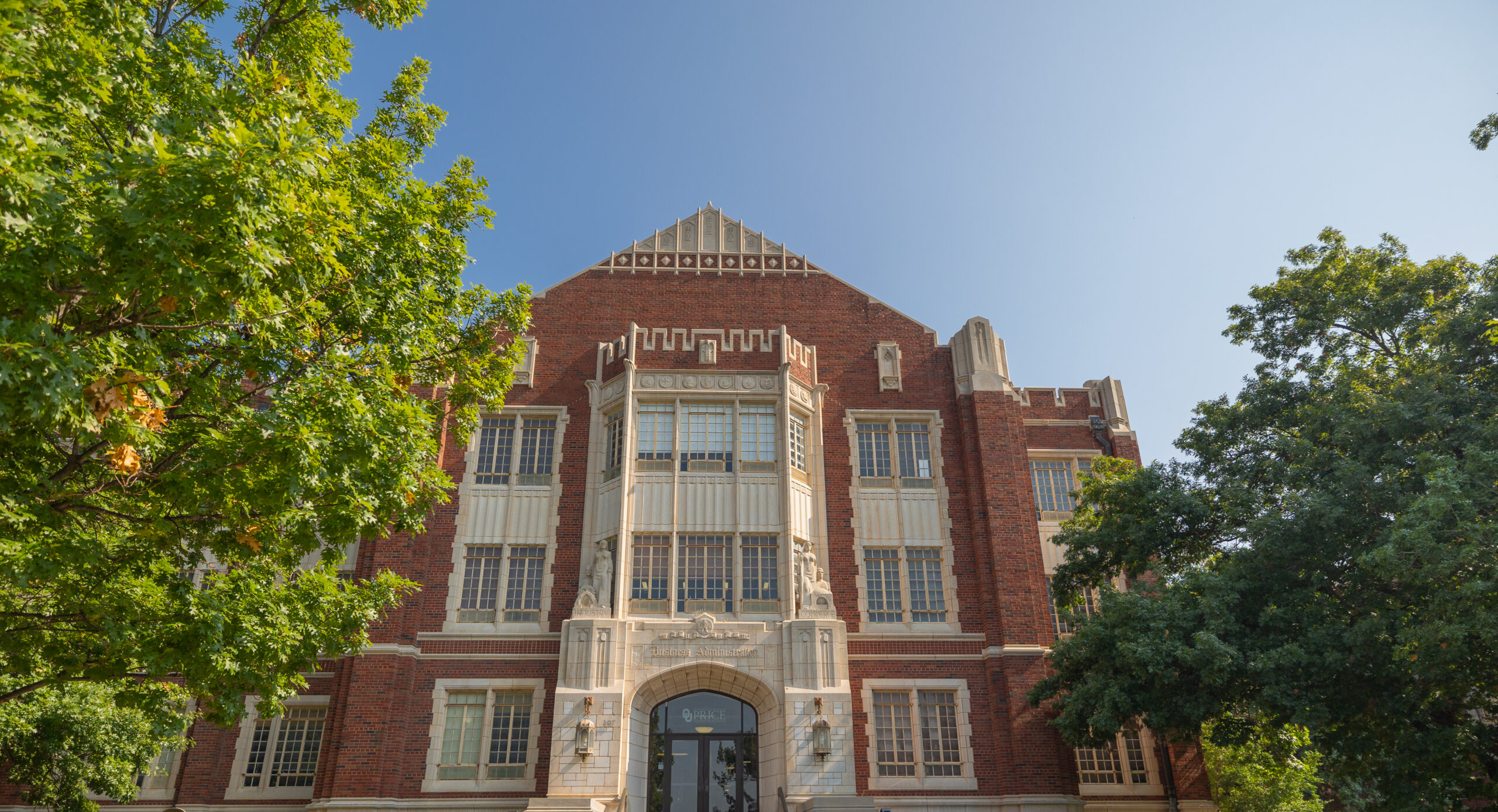
The Michael F. Price College of Business is experiencing unprecedented growth, with enrollment more than doubling over the past decade as the University of Oklahoma competes within the SEC and on the national stage.
To meet this demand, the College is pursuing an $80 million expansion that will transform its physical footprint into a modern, unified business education complex spanning over 200,000 square feet.
The project will dramatically increase instructional capacity, student collaboration space, faculty offices, experiential learning environments and research facilities while creating a signature three-story atrium that serves as the front door to the college.
This investment will position Price College to educate future business leaders in a facility that reflects its academic excellence and ambitious trajectory.
Felgar Hall Renovation
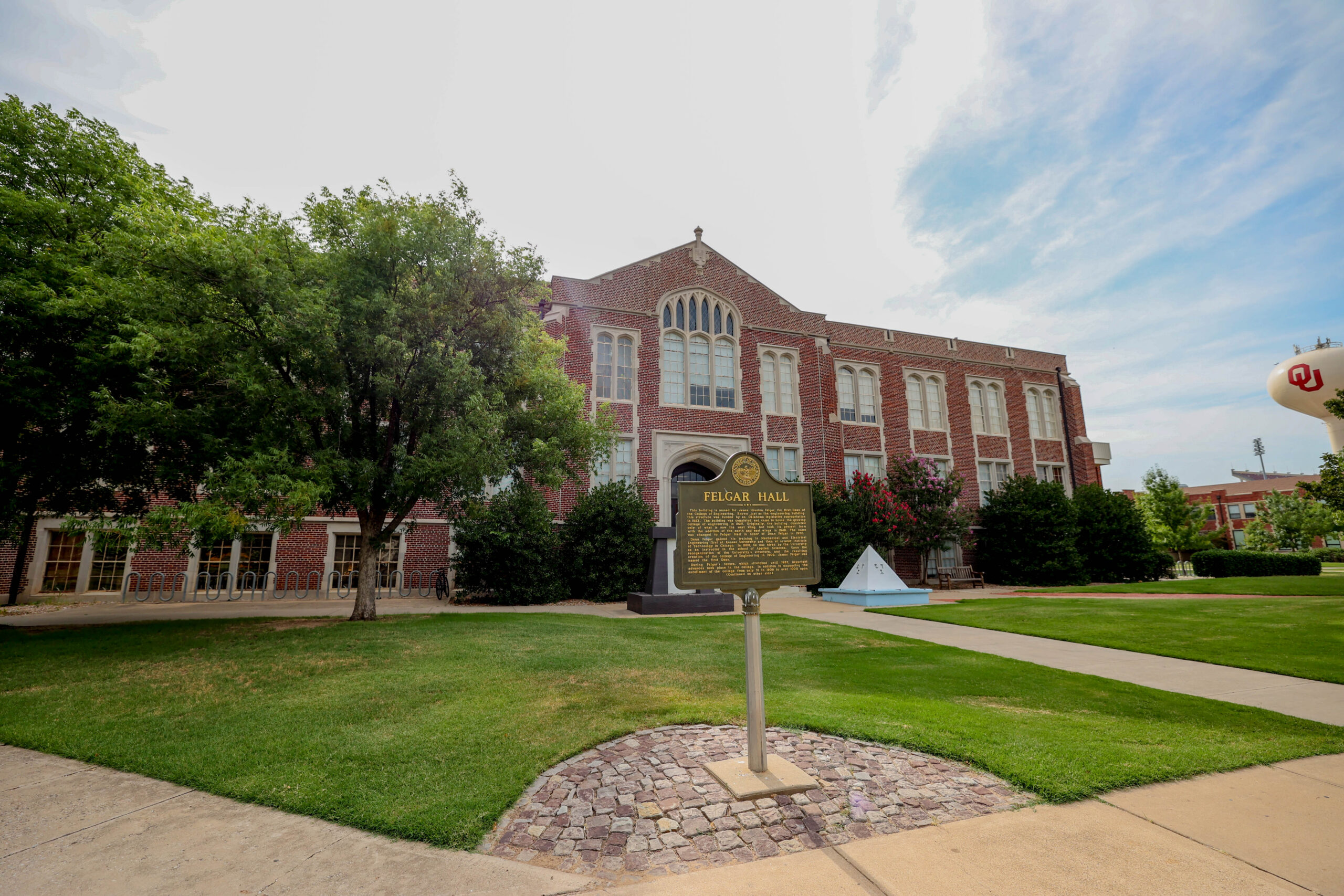
For more than 100 years, Felgar Hall has served as the historic heart of engineering education at the University of Oklahoma.
As the first engineering building in the state of Oklahoma, Felgar Hall now serves as home to the School of Mechanical Engineering, Gallogly College of Engineering student services and advising, and critical research activities.
The proposed $25 million renovation will preserve the building’s historic character while modernizing classrooms, laboratories, collaboration spaces and student support areas to meet the expectations of a world-class engineering program.
By investing in Felgar Hall, donors will help ensure the Gallogly College of Engineering continues to recruit exceptional students and faculty while advancing OU’s vision to become a national leader in applied aerospace, defense and engineering research.
OU Professor Honored for Methane Reduction Leadership
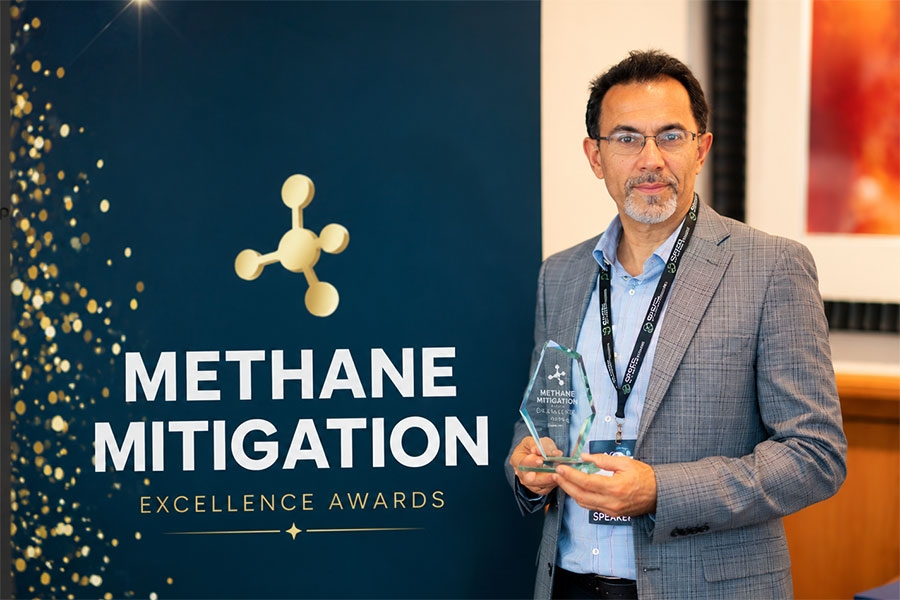
Pejman Kazempoor, an associate professor at the University of Oklahoma’s School of Aerospace and Mechanical Engineering, has received the Methane Reduction Leadership Award at the 4th Annual Methane Mitigation: Technology & Innovation World Summit. The award recognizes his commitment to addressing emissions and providing a cleaner world.
Kazempoor is the director of the university’s Sustainable Energy and Carbon Management Center (SECM). His team’s research ranges from fundamental catalytic reactions for methane conversion to advanced technologies for detecting and mitigating methane emissions, helping develop cleaner and more sustainable energy solutions.
Read more
He said receiving the honor was more than an individual accomplishment and credited it to the combined work of the SECM team, industry partners and stakeholders toward a unified goal of clean energy. Kazempoor also emphasized that these efforts enhance production, improve system performance and efficiency, and develop advanced predictive and preventive maintenance technologies that strengthen the reliability and sustainability of energy infrastructure.
“This award generally recognizes industry leaders because they have the greatest opportunity to implement technologies across large operations,” said Kazempoor. “Receiving it as a university sends a powerful message. It shows that OU is leading the development of innovative solutions that industry values and adopts. This recognition reflects years of collaboration among our researchers, students and industry partners, and it establishes OU as a leader in methane emissions mitigation and sustainable energy technologies.”
Methane is the primary component of natural gas and a valuable energy resource. When released through incomplete combustion or unintentional leaks, it not only contributes to greenhouse gas emissions but also represents product loss, reduced operational efficiency, lower production and increased safety risks.
SECM is addressing these challenges through innovative research, including aerial- and ground-based sensors and predictive models that utilize artificial intelligence. The team has also created more affordable emissions-reducing technology than is typically available for combustion systems, which is being used through an ongoing, federally funded project.
Recently, the U.S. Department of Energy and the U.S. Environmental Protection Agency awarded the center a nearly $4.9 million project to implement affordable methane emission-reduction technology throughout the country. By retrofitting dozens of integral reciprocating compressors, Kazempoor and his team aim to improve atmospheric health while making the machines more efficient and longer lasting.
“We believe this initiative will have a meaningful impact on methane emissions reduction while helping maintain reliable energy infrastructure and supporting jobs, particularly among small operators and underserved communities,” he said.
Kazempoor also emphasized that his center’s impact is strengthened by its Open Innovation Lab, which houses industrial-scale equipment. Students can gain experience with field technologies such as large-scale compression systems used in the oil and gas industry, while the entire team can pursue advancements without being limited to simulations.
“We are currently working with industry partners to develop and test a variety of technologies, including unmanned aerial vehicles, for the precise detection of gas leaks from natural gas pipelines,” Kazempoor said. “This facility presents a unique opportunity for OU to accelerate the commercialization of innovative technologies by enabling testing under realistic operating conditions that closely replicate actual field environments.”
Life Sciences Laboratories Building
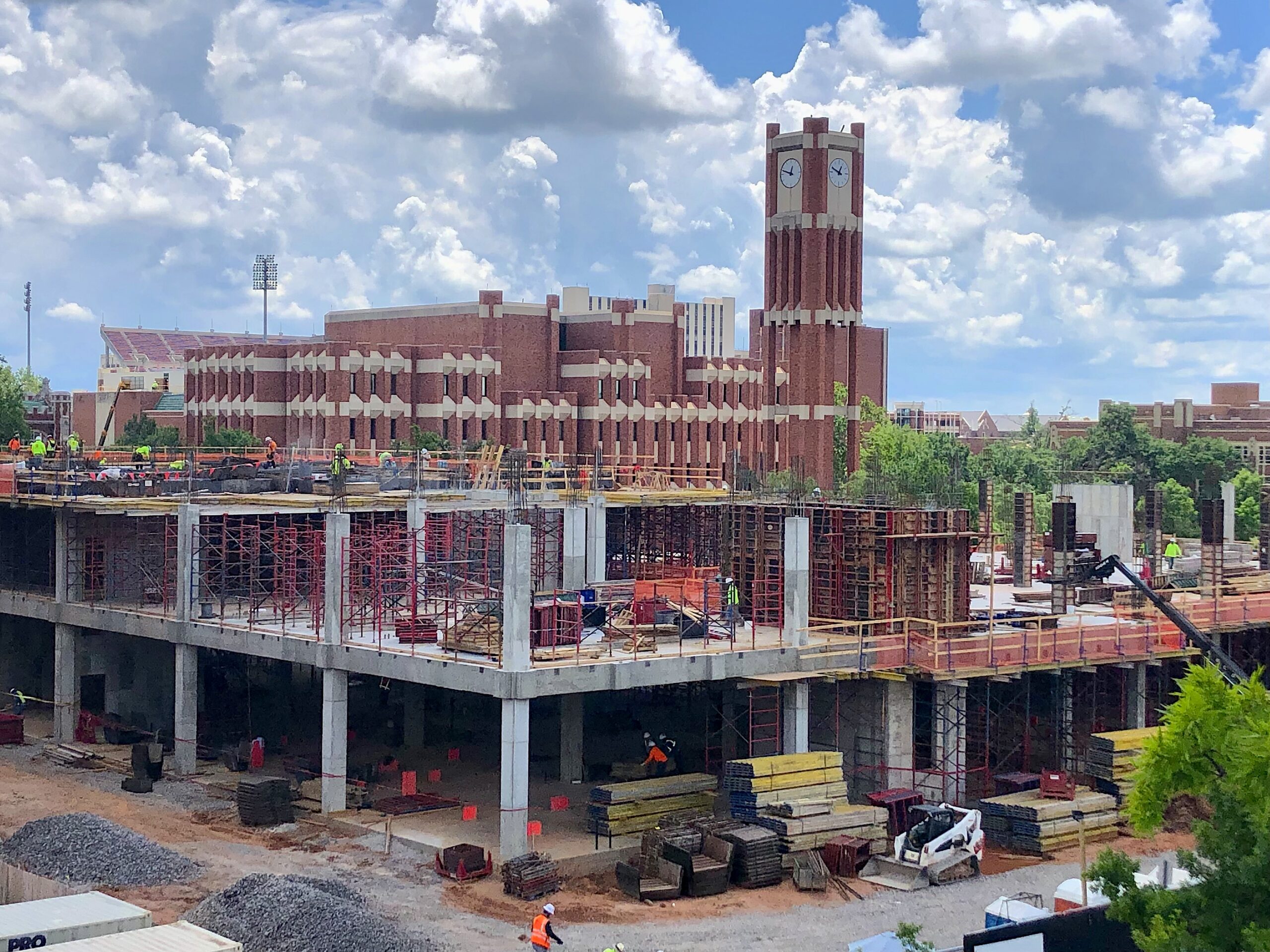
The new Life Sciences Laboratories Building will become one of the most impactful academic facilities on the University of Oklahoma campus, serving virtually every undergraduate student who completes a laboratory science course.
The 105,000-square-foot facility will feature 25 state-of-the-art teaching laboratories, a 250-seat lecture hall, modern classrooms and dedicated biomedical research space that strengthens the connection between teaching, discovery and innovation.
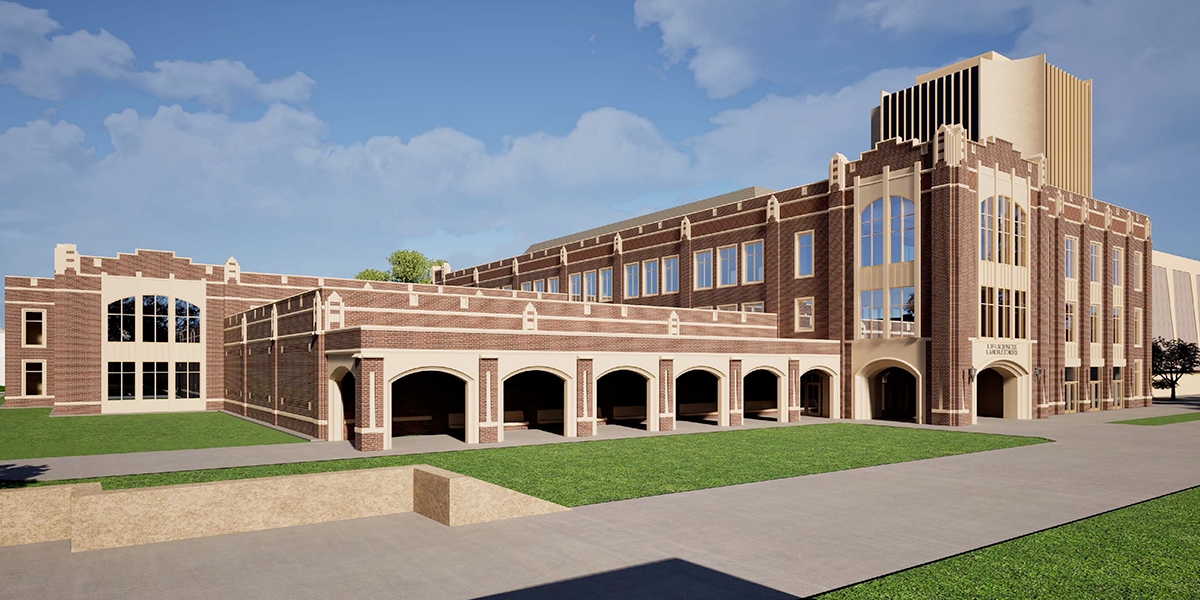
Designed to foster interdisciplinary collaboration and hands-on learning, the building will prepare generations of students for careers in science, healthcare, engineering and countless other fields.
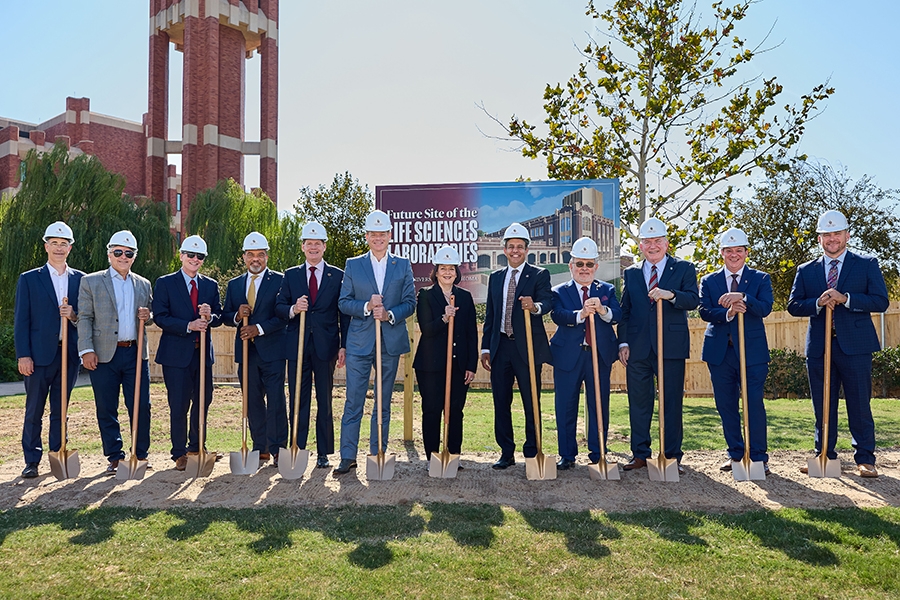
OU Breaks Ground on Transformational Life Sciences Laboratories Building
The University of Oklahoma continues construction of a new Life Sciences Laboratories Building on the Norman campus, dedicated to supporting Oklahoma’s health care workforce while advancing education and research capabilities at OU. The new facility will be supported in part by a transformative $80 million investment from the Oklahoma State Legislature, coupled with private giving.
Read more
“Thanks to this remarkable support, we will soon open the doors to new opportunities in research and education that will heighten OU’s excellence while strengthening the state’s workforce and economic impact,” said OU President Joseph Harroz Jr. “Together, we are creating a space where innovation and progress will thrive for generations.”
The 105,000-square-foot facility, located at the former location of Sutton Hall, will house 25 state-of-the-art teaching labs, a 250-seat auditorium and modern classroom and research spaces tailored to the evolving demands of biology and chemistry education. About 80,000 square feet of the facility will be dedicated to undergraduate education, while the remaining 20,000 square feet will feature biomedical research labs for OU faculty.
The project was first approved by the OU Board of Regents in March 2024 as part of the Campus Master Plan of Capital Improvement projects. Guided by OU’s “Lead On, University: The Next Phase” Strategic Plan, the new facility provides the world-class infrastructure necessary for the university to lead as a top-tier public research university while helping to lift the health of Oklahoma.
“This building will be essential for meeting Oklahoma’s health care workforce needs by expanding the pipeline of students with the foundational training in biology and chemistry that is necessary to enter OU’s nursing, allied health, and medical training programs,” said Michael Markham, dean of the Dodge Family College of Arts and Sciences. “In addition, the building’s state-of-the-art faculty research laboratories will enable the Dodge Family College of Arts and Sciences to significantly expand our biomedical research initiatives in our School of Biological Sciences.”
Construction of the new Life Sciences Laboratories Building is expected to be completed in fall 2027.
I'm here to help

Jill Hughes, CFRE
Assistant Vice President for Principal and Planned Giving
University of Oklahoma Foundation
jillq@ou.edu
405-321-1174